
3 Factors to Consider When Buying Mulch
Mulch is a vital component of effective garden and landscape management, offering both practical and aesthetic benefits. Broadly categorized into organic and inorganic types, mulch serves to protect soil, conserve moisture, suppress weeds, and, in some cases, enrich the soil with nutrients. Organic mulches from a local mulch company, like wood chips, straw, and bark, gradually decompose, enhancing soil fertility and supporting healthy plant growth.
1. Types of Mulch
Organic mulches from a local mulch company are derived from natural plant materials and decompose over time, enriching the soil with nutrients. Common examples include wood chips, which are excellent for moisture retention, and straw, known for its lightweight and effective weed suppression properties. These materials contribute to improving soil texture and fertility, ensuring a favorable environment for plant growth.
One major advantage of organic mulch is its ability to break down and add organic matter back into the soil. This nutrient cycling can enhance soil health, supporting beneficial microorganism populations. Moreover, because organic mulch is biodegradable, it offers a sustainable option for eco-conscious gardeners looking to reduce their environmental footprint.
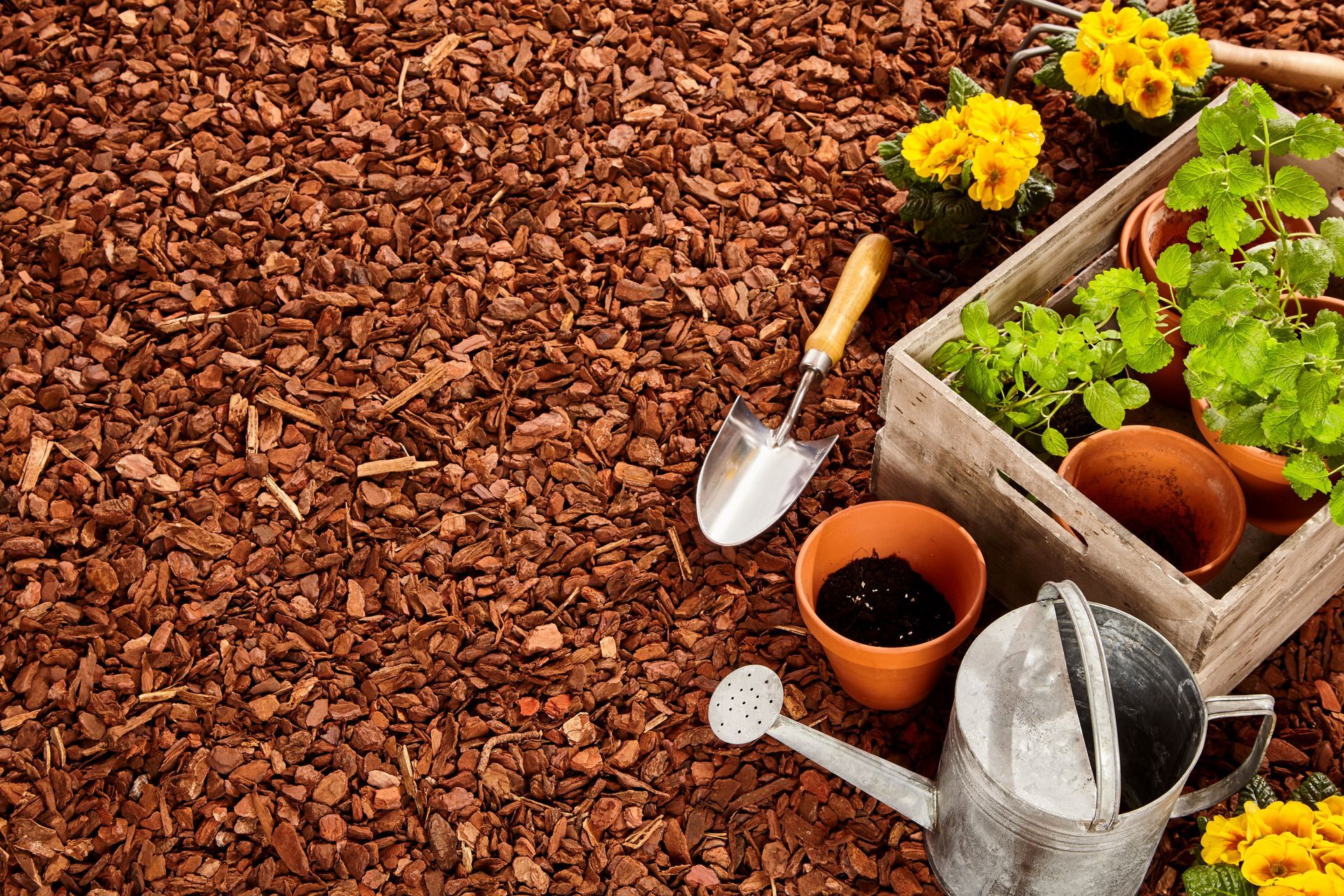
The choice of organic mulch from a local mulch company depends largely on the garden's specific needs and the plants being cultivated. For example, bark mulch, with its aesthetic appeal and slow breakdown rate, is often used in decorative garden beds. In contrast, straw or hay may be preferred in vegetable gardens for its rapid decomposition and nutrient addition.
Inorganic mulches, such as stones, rubber, and plastic sheeting, are non-biodegradable and do not contribute nutrients to the soil. These materials are often chosen for their durability and ability to offer consistent performance over long periods, making them ideal for low-maintenance garden areas. For instance, gravel and stones are frequently used in areas where long-term weed suppression is critical.
Rubber mulch, made from recycled tires, provides excellent long-term ground cover and is particularly effective in playgrounds and paths. Its shock-absorbing qualities make it a safe choice for areas frequented by children and pets. While these materials don't decompose to improve soil structure directly, they can significantly reduce maintenance efforts.
However, the impermeability of some inorganic mulches, particularly plastic sheeting, may interfere with water infiltration and soil aeration. As a result, these options might not be suitable for all planting areas, particularly where root growth and soil health are priorities. Gardener preferences will often dictate whether the low-maintenance benefits outweigh the lack of organic improvement.
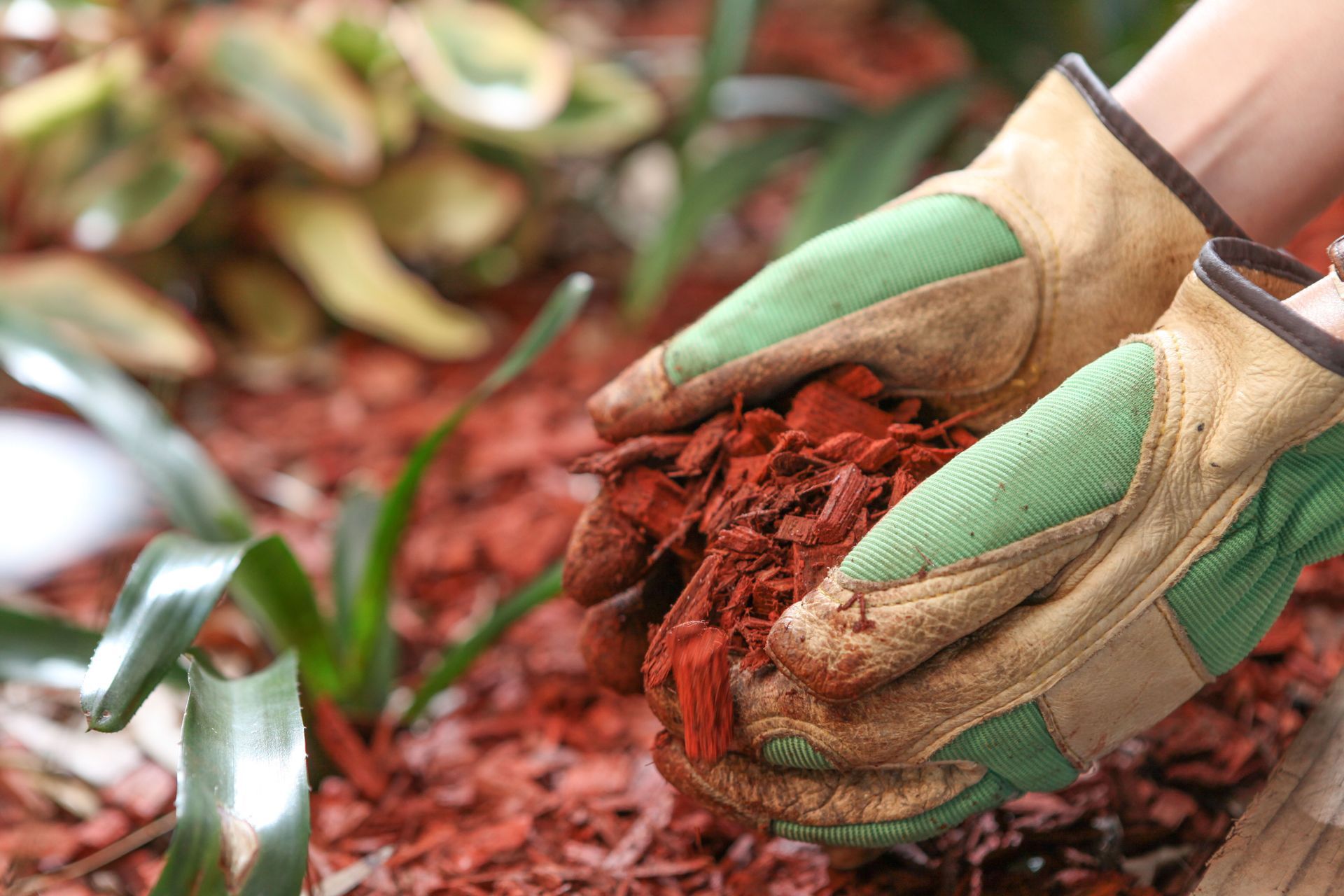
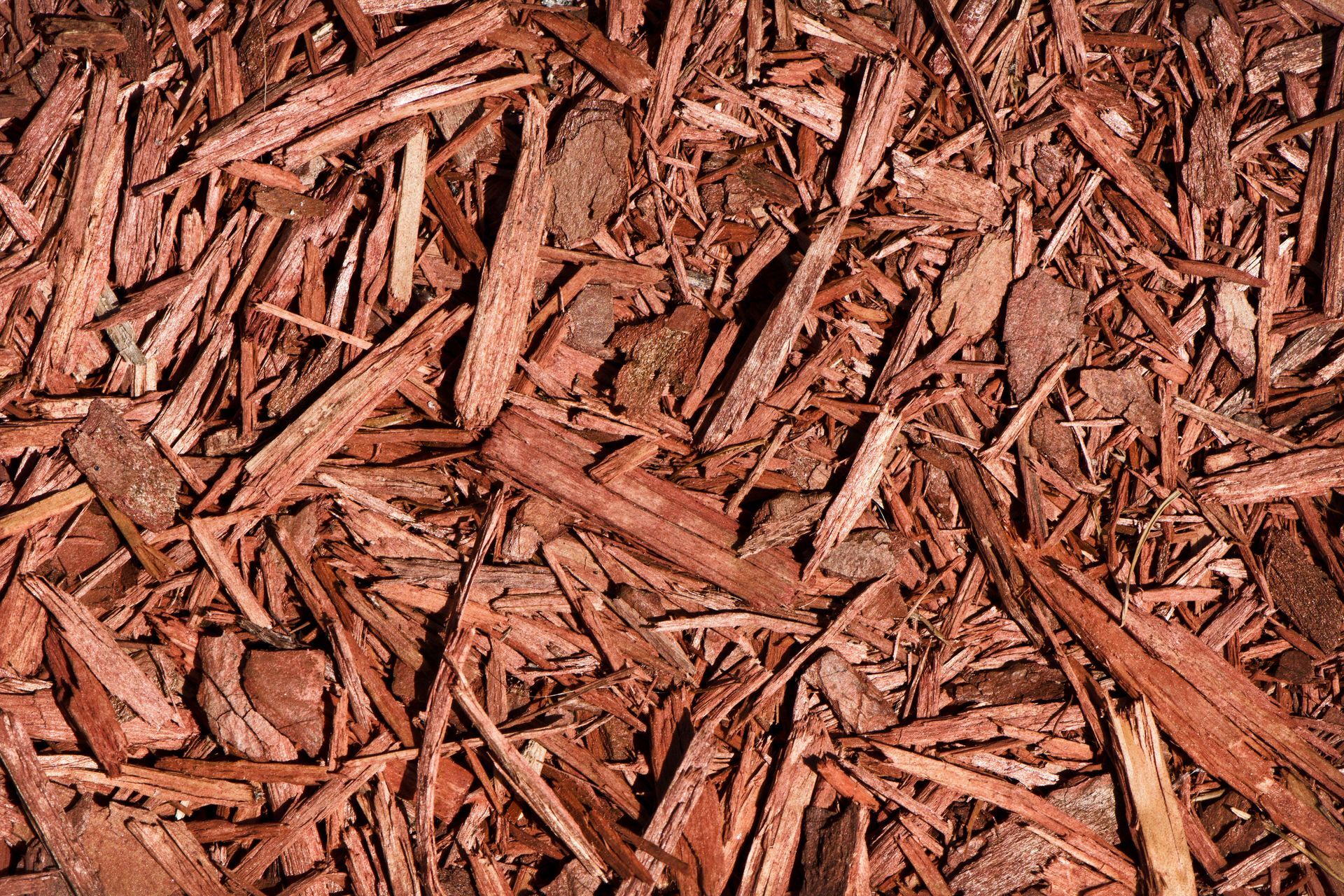
Colored mulches have gained popularity for their ability to enhance the aesthetic appeal of a landscape. Dyed in various shades like red, black, or brown, these mulches can complement plant foliage and hardscaping elements. They are primarily used in decorative landscaping to achieve specific design aesthetics.
While colored mulches from a local mulch company can elevate the visual impact of a garden, they also pose certain considerations. The dyes used are mostly non-toxic and fade-resistant, yet their presence might not be ideal in areas focused on organic production, such as vegetable gardens. Therefore, understanding the source and materials used in these dyed mulches is pivotal for eco-friendly landscaping.
Beyond appearance, colored mulch can also offer the same functional benefits as standard organic mulches, including moisture retention and weed suppression. However, the intensity of color might decrease over time, necessitating periodic replenishment to maintain the desired look. Gardeners must balance the pursuit of aesthetics with the mulch's longevity and environmental considerations.
2. Nutrient Contribution
The decomposition rate of mulch is a critical factor influencing soil fertility and nutrient availability. Organic mulches naturally break down over time, gradually releasing nutrients that improve soil structure. This slow decomposition allows for sustained nutrient release, reducing the need for frequent fertilization and creating a more self-sufficient ecosystem within the garden.
Understanding the decomposition rate can guide the selection of mulch types based on desired longevity and nutrient contribution. For example, materials like leaf litter or spent mushroom compost decompose more quickly than wood chips, providing faster nutrient enrichment but requiring more frequent replenishment. Choosing the right balance between decomposition rate and nutrient yield is crucial for effective garden management.
Despite their slower decomposition, wood and bark mulches provide enduring benefits such as weed suppression and moisture retention. Gardeners must strategically layer and manage mulch to harmonize the decomposition with plant growth cycles. In doing so, they can effectively balance soil improvement with mulch longevity and the practical demands of garden maintenance.
Certain mulch materials from a local mulch company naturally contribute more nutrients, providing an enriched environment for plant growth. Such options include composted manures, which can improve both soil fertility and structure, and grass clippings, which are high in nitrogen content. Selecting mulch that is nutrient-rich enables a dual approach to mulching, achieving both ground cover and soil enrichment.
These nutrient-dense mulches can significantly boost plant productivity in food and ornamental gardens. When applied correctly, they reduce the need for additional fertilizers, saving time and resources for the gardener. However, one must consider the potential for nutrient imbalances, particularly nitrogen, which may negatively impact some plant types when present in excess.
Balancing other considerations, such as mulch texture and compatibility with existing soil composition, is essential to maximize the benefits. A soil test may help determine if the additional nutrients match the garden's specific needs. This ensures that adopting nutrient-rich mulches contributes to rather than detracts from a holistic landscape management strategy.
3. Moisture Retention and Weed Suppression
Mulch serving as a barrier helps reduce evaporation and conserve soil moisture, fostering healthier plant growth. Moisture retention is a crucial benefit of mulch, particularly in arid regions or during periods of drought. A robust layer of mulch protects the soil surface from direct sun exposure, maintaining consistent moisture levels that prevent plant stress.
Different mulches from a local mulch company vary in their effectiveness at conserving water, with organic options like wood chips generally excelling in this role. The protective layer they create keeps soil cooler and mitigates rapid water loss. However, the choice of mulch material and application thickness must be tailored to specific environmental conditions to maximize water-saving benefits.
Moreover, mulch's water-conserving properties allow for reduced irrigation frequency, saving both time and resources. By decreasing evaporation, mulch makes water use more efficient and sustainable, aligning with eco-friendly gardening practices. Proper application ensures long-term moisture retention benefits, improving garden resilience during dry spells.
Organic and inorganic mulches from a local mulch company both provide effective weed control, although the best choice depends on garden context and aesthetic preferences. For instance, a 3-inch layer of bark mulch can significantly impede weed growth in ornamental gardens. The strategic use of mulch transforms weed management, offering a practical and attractive solution.
However, weed-suppressing efficacy depends on mulch selection, depth, and application method. Mulch must be regularly replenished and maintained to sustain its effectiveness. According to The Spruce, you would need approximately 38 50 L bags of mulch to cover a 200 square foot garden, illustrating the level of investment required for optimal coverage and weed control.
Choosing the right mulch can make a significant difference in the health, appearance, and maintenance of your garden. By understanding the types of mulch available—organic, inorganic, or colored—along with their nutrient contributions, moisture retention, and weed-suppressing properties, you can create a thriving, low-maintenance landscape.
Ready to transform your garden with the perfect mulch? Explore your options from a local mulch company today, such as Draco Property Management, and bring balance, beauty, and efficiency to your landscaping projects.

Share On: