
Best Mulching Practices for a Healthy Garden
Mulching is one of the most effective gardening practices for promoting plant health and maintaining a vibrant garden. It involves covering the soil surface around plants with a protective layer of material that conserves moisture, regulates temperature, and reduces weeds. Using the right mulch and applying it correctly can dramatically improve soil health while enhancing your garden’s visual appeal. Working with a reliable mulch supplier ensures you have access to quality materials suited for your specific garden needs, setting the foundation for long-lasting results. With proper planning and application, mulching can transform even challenging garden areas into thriving, healthy spaces ready to flourish in every season.
Understand Mulch and Its Benefits
Mulch refers to any material, organic or inorganic, that is spread over the soil surface. Its main purposes include moisture conservation, soil improvement, weed suppression, and visual enhancement. Common organic mulches include wood chips, bark, straw, and grass clippings, while inorganic options may consist of stones, plastic, or landscape fabric. Each type meets different garden requirements, and working with a professional mulch supplier ensures you select materials appropriate for your plants and soil type. Proper mulching supports strong root systems and healthy growth, helping both ornamental and edible plants thrive in varied climates.
Promote Soil Health With Mulch
Mulch contributes significantly to soil health by enhancing its structure and fertility. Organic mulches gradually decompose, enriching the soil with nutrients and improving aeration. This decomposition fosters beneficial microbial activity, which helps protect plants from diseases and strengthens root systems. Additionally, mulch acts as a natural barrier against soil erosion, maintaining a stable top layer. Choosing the right mulch from a dependable mulch supplier ensures the soil receives the nutrients and protection needed for optimal plant growth. Over time, well-maintained mulch layers can also improve soil water retention and support long-term garden resilience.
Conserve Water With Mulch
Mulch serves as a natural insulator, slowing water evaporation from the soil and keeping moisture available for plants. In hot or dry climates, this water retention reduces the frequency of irrigation and helps prevent plant stress. Even in regions with variable rainfall, mulched soil retains moisture longer, giving roots continuous access to hydration. By maintaining consistent soil moisture, mulch allows plants to thrive while minimizing the risk of drought damage. Additionally, mulch layers help prevent water runoff on slopes or uneven terrain, directing moisture effectively to where it is most needed.
Regulate Soil Temperature With Mulch
Mulch stabilizes soil temperature by keeping it cooler in summer and warmer in winter. This buffering effect protects plant roots from extreme temperature fluctuations, promoting steady growth throughout the year. A stable soil environment is especially important for sensitive plants, preventing shock from sudden heatwaves or cold snaps. Mulch layers applied correctly, and sourced through a reliable mulch seller, ensure your garden enjoys a consistent and supportive growing environment. In regions with extreme weather swings, maintaining a consistent mulch layer can make the difference between thriving plants and stunted growth.
Reduce Weed Growth With Mulch
One of mulch’s most appreciated benefits is its ability to limit weed growth. A well-applied layer blocks sunlight, preventing weed seeds from germinating. This reduces the need for manual weeding and ensures plants receive the nutrients and water they need. However, it’s important to avoid over-mulching: according to Almanac, a layer exceeding two to three inches can suffocate plant roots, obstructing water and oxygen penetration. Consulting a mulch supplier can help determine the proper thickness for your garden beds. Proper weed control not only protects plant health but also enhances the overall appearance and productivity of your garden.
Choose Organic Mulches Effectively
Organic mulches, made from natural materials like wood chips, bark, straw, and grass clippings, decompose over time, improving soil structure and nutrient content. They support beneficial microorganisms, fostering healthier soil ecosystems. Organic mulches often need replenishment as they break down, but their soil-enhancing properties make them ideal for vegetable gardens, flower beds, and orchards. A mulch supplier can provide high-quality organic options tailored to your garden’s specific needs. Using organic mulches in combination with compost or other amendments can further enrich the soil and strengthen plant roots over time.
Utilize Inorganic Mulches Strategically
Inorganic mulches, such as stones, landscape fabric, or plastic, do not decompose and offer long-term solutions for moisture retention and weed suppression. While they don’t enrich the soil, they are particularly useful in ornamental landscapes or areas where minimal maintenance is desired. Inorganic mulches retain their appearance and effectiveness for extended periods, making them a practical choice for decorative lawns and urban gardens. They are also highly effective in high-traffic areas where soil compaction may be an issue, providing lasting protection without the need for frequent replacement.
Compare Mulch Costs and Longevity
Organic mulches generally have lower initial costs but require more frequent replacement due to decomposition. In contrast, inorganic mulches may cost more upfront but provide durable, long-lasting coverage. Evaluating the balance between immediate expenses and long-term maintenance is crucial when selecting the right mulch type. A knowledgeable mulch supplier can advise on cost-effective options that meet both aesthetic and functional goals. Factoring in longevity, environmental impact, and plant requirements ensures a decision that supports garden health while remaining financially practical.
Prepare Soil Properly Before Mulching
Successful mulching begins with proper soil preparation. Remove weeds, debris, and rocks to create a clean surface. Aerating the soil can improve root growth and structure, while adding a compost or organic fertilizer layer enriches soil nutrients. Proper preparation ensures that mulch directly benefits plant roots and maximizes moisture retention. Partnering with a mulch seller ensures you have the correct materials for preparing your garden effectively and can provide guidance on the optimal mulch type for your soil conditions.
Apply Mulch Correctly
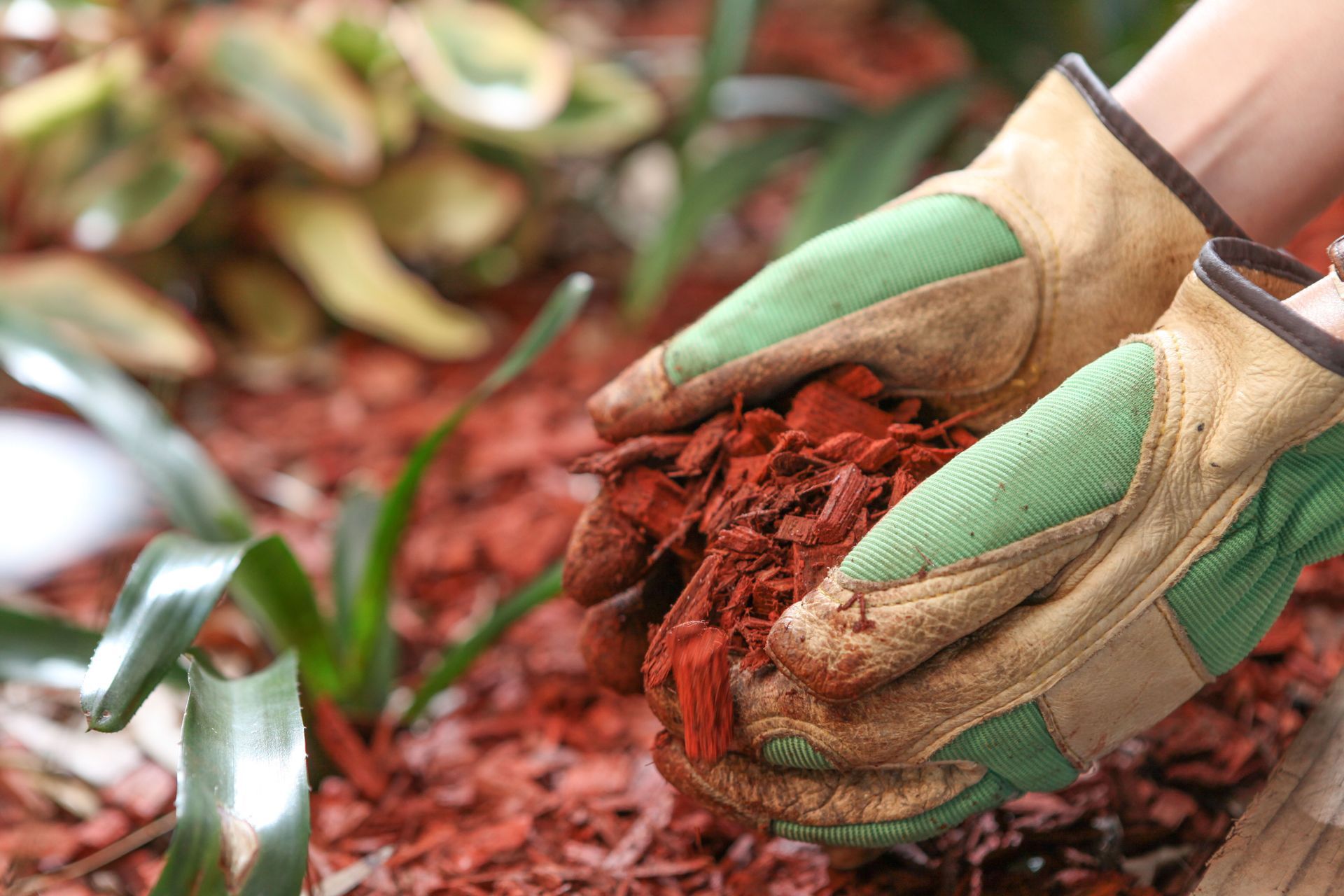
When spreading mulch, ensure it does not touch plant stems to prevent rot. Use a rake to distribute it evenly, a couple of inches. This thickness is sufficient to suppress weeds without suffocating plant roots. Regular monitoring helps maintain optimal coverage and prevents issues caused by over- or under-application. Correct application ensures that both moisture and temperature regulation benefits are maximized. Mulch applied with care encourages healthier root development and reduces garden maintenance requirements over time.
Adjust Mulch Seasonally
Mulch application should adapt to seasonal changes. In spring, refresh layers to support new growth and retain moisture. Summer may require additional coverage for heat protection, while fall adjustments reduce excess moisture during wet periods. Seasonal attention ensures mulch consistently benefits plants throughout the year. Adjusting mulch according to plant growth cycles and weather conditions allows gardens to stay healthy and resilient regardless of environmental changes.
Maintain Mulch Layers Regularly
Monitoring mulch layers ensures ongoing garden health. Check periodically for areas where mulch has shifted or decomposed, and replenish as needed. Proper maintenance prevents weed regrowth and ensures continuous soil protection. A mulch supplier can assist with timely delivery and guidance on maintaining appropriate coverage. Regular inspection also helps identify early signs of pests or disease, allowing gardeners to address issues before they affect plant health.
Tailor Mulch to Specific Garden Types
- Vegetable Gardens – Organic mulches like straw or shredded leaves add nutrients and retain moisture
- Flower Beds – Wood chips or bark provide aesthetic appeal while protecting roots
- Orchards and Fruit Trees – Mulch around tree bases conserves moisture and stabilizes soil temperature
- Lawns and Landscapes – Stones or organic mulch enhance functionality, curb weeds, and improve visual appeal
- Urban and Container Gardens – Lightweight organic mulch or decorative inorganic options suit limited spaces and unique conditions
Selecting the right mulch for each garden type supports plant health, productivity, and long-term sustainability.
Mulching remains a vital practice for fostering healthy, vibrant gardens, from regulating soil temperature to preserving moisture and suppressing weeds. Choosing the appropriate mulch type, applying it correctly, and maintaining it seasonally ensures optimal results. Working with a professional mulch supplier helps guarantee quality materials and guidance tailored to your garden’s needs. At Draco Property Management, we provide high-quality mulch solutions and expert advice, making it easy for us to support gardens in achieving thriving, healthy growth all year long. By incorporating these strategies into your gardening routine, you can enjoy a beautiful, well-maintained landscape that performs consistently across every season.

Share On: